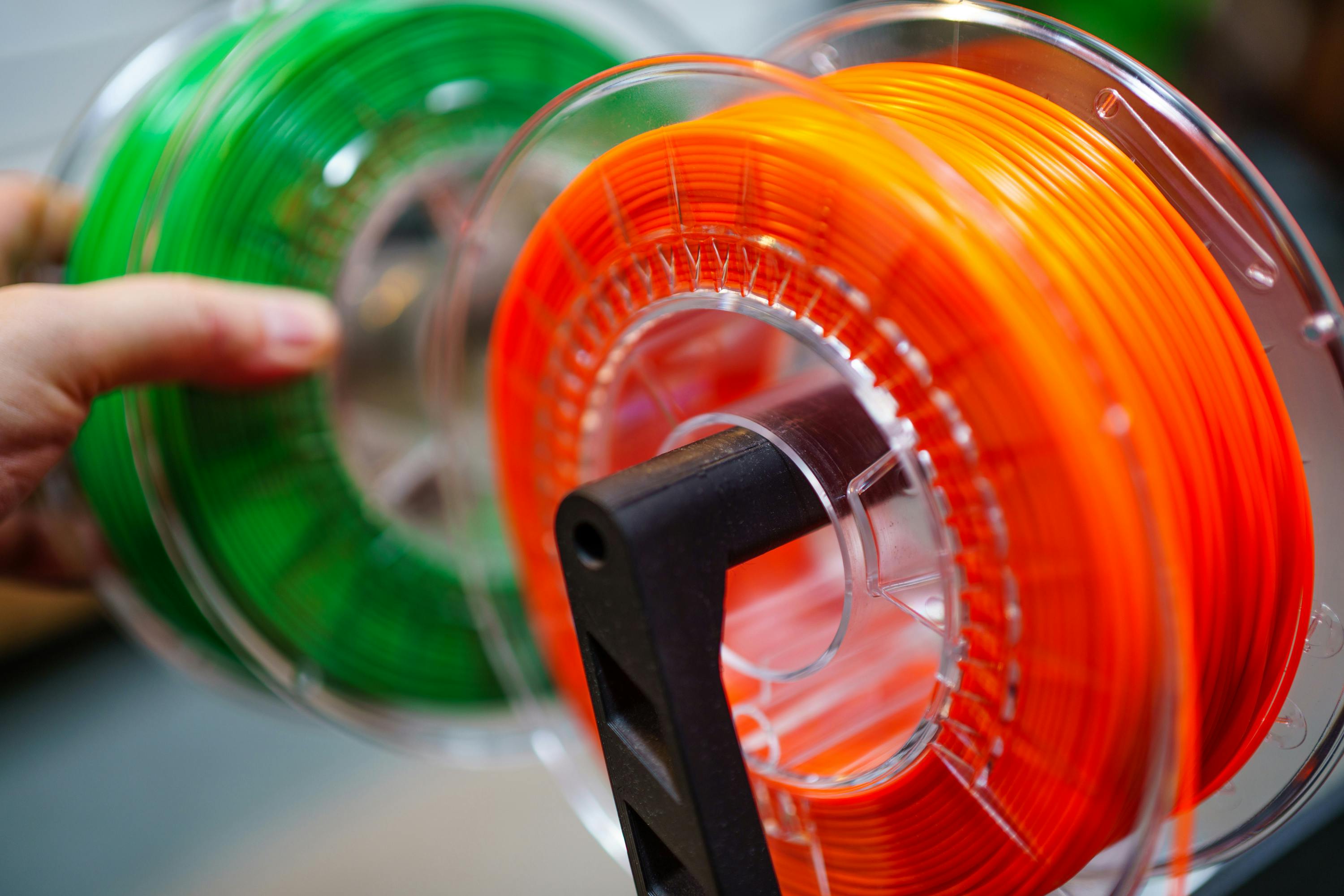
Desktop 3D printer on a workbench with a spool loaded

How to Dry Filament: Dryer Box vs Dehydrator vs Heated Bed

MizuMakes may earn a commission from links in this post. If you print brackets, enclosures, or anything that sees load, wet filament is a mechanical problem as well as a cosmetic one. Water absorbed into the plastic turns to steam in the hot end. Prusa’s drying guide says high moisture content can cause low layer adhesion, blobs on the prints, and bubbling and smoke during extrusion. Layer adhesion is already the weak axis of an FDM part, and TDS numbers are measured on ideal specimens, so you don’t want to give up more Z-strength to steam voids. ...

November 2, 2026 · 9 min · Jared
Functional parts printed in dark gray on the build plate of an enclosed 3D printer

PLA vs PETG vs ASA for Outdoor Prints: Pick by the Numbers

MizuMakes may earn a commission from links in this post. Outdoor parts fail in three ways: they soften in the sun, they crack from UV and moisture over months, or they creep under a steady load until they sag. PLA, PETG, and ASA each handle those three differently. The data sheets let you rank them, even though no data sheet gives you a service life. All the numbers below are manufacturer TDS values from ideal test specimens. Printed parts land lower, and the layer-to-layer (Z) direction lands lowest. ...

November 1, 2026 · 7 min · Jared
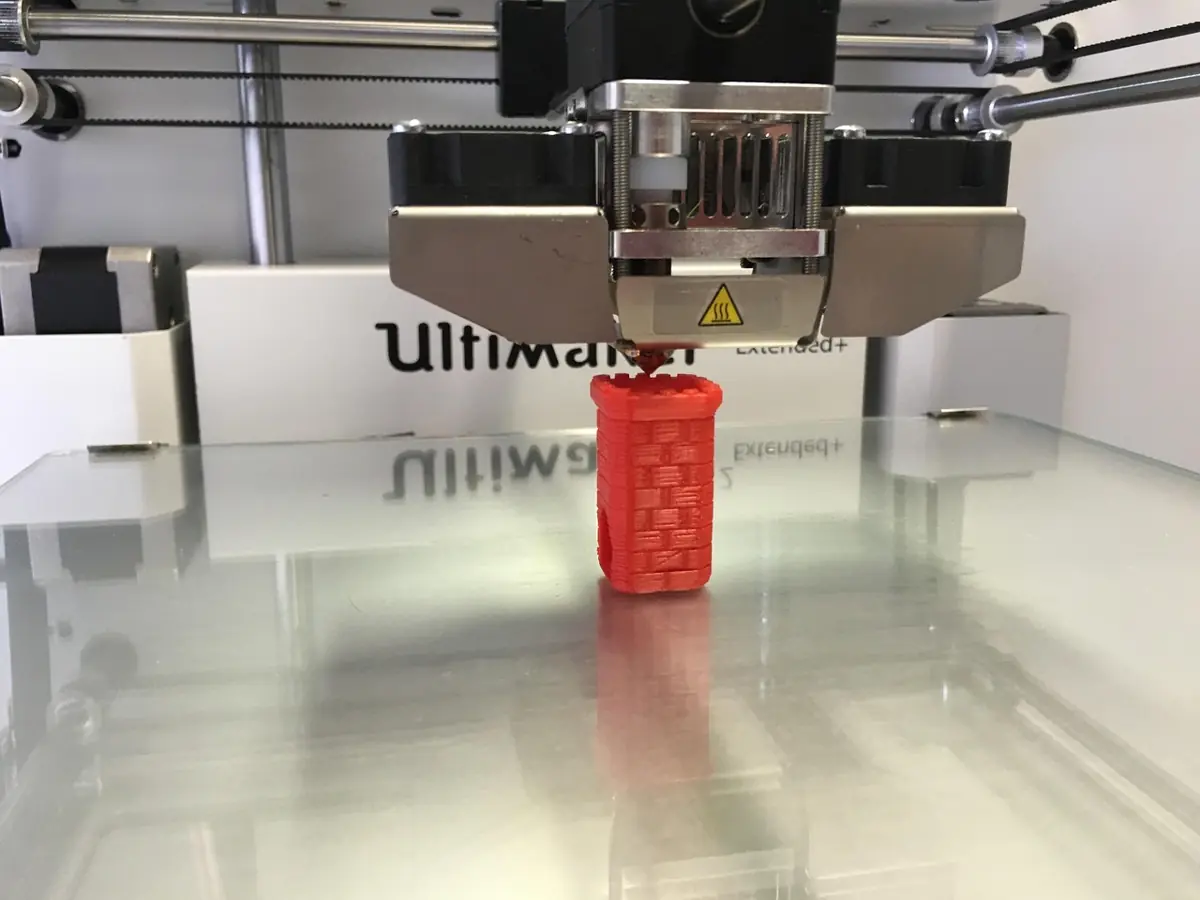
FDM 3D printer printing a functional part on a heated build plate

Best PETG Filament Brands for Functional Parts (TDS Compared)

MizuMakes may earn a commission from links in this post. PETG is the filament I’d reach for when PLA is too brittle or too heat-sensitive and ASA or ABS is more printer than the job needs. But PETG is not one material. Different brands tune the copolymer, additives and drying history differently, and the data sheets show it. This post compares the major brands the way I’d pick one for a bracket, jig or enclosure: published numbers first, marketing last. ...

October 29, 2026 · 8 min · Jared
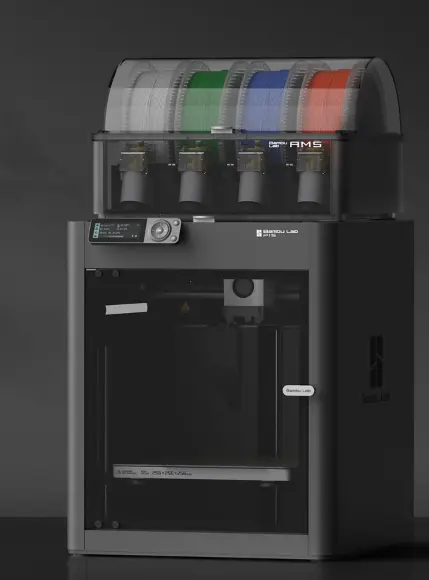
Bambu Lab P1S 3D printer, used to compare filament cost per kg and cost per print

How Much Does 3D Printer Filament Cost? (Live Prices Per Kg)

Short answer: a 1kg spool of decent PLA or PETG costs somewhere between $14 and $26 at the brand’s own store, and ASA runs a few dollars more. Right now the cheapest PLA I track is ELEGOO PLA at $13.99/kg, and the cheapest PETG is ELEGOO Rapid PETG at $13.99/kg. That number moves, though. Filament goes on sale constantly, and the same spool can swing 20–30% in a month. So instead of writing numbers that are stale in two weeks, every price on this page is pulled from my filament price tracker, which checks each brand’s store every morning. ...

October 25, 2026 · 6 min · Jared
Colorful 3D printer filament spools — comparing PLA vs PETG filament

PLA vs PETG: Strength, Heat Resistance, and Which to Use

Short answer: PLA is easier to print, stiffer, and cheaper. PETG is tougher, less brittle, and handles more heat. Bambu Lab’s data sheets put PLA’s heat deflection temperature at about 54–57 °C and PETG’s at about 68–71 °C. Use PLA for prototypes, models, and indoor parts. Use PETG for functional parts that take impact, flex, or sit somewhere warm. If you just got your first 3D printer and opened Amazon to buy filament, you were probably hit with dozens of options immediately. But two names keep coming up: PLA and PETG. These are the two best filaments to start with, and for most people they’re the only two you’ll ever need. Here’s how they differ, by the numbers, and which one to reach for first. ...

April 14, 2026 · 8 min · Jared